- Pacific and Caribbean patterns differ
- Climate averages are not a forecast
- Leave flexible days for boats and trails
Choose the region before the month
If most of your trip is Panama City and the Pacific coast, start by comparing dates in January, February and March. IMHPA identifies these as the core low-rainfall months, with December and April as transitions in its 2023 rainfall report. Its broader rainfall overview describes a December–April dry period. These descriptions are compatible as broad guidance; neither promises an uninterrupted week of sun.
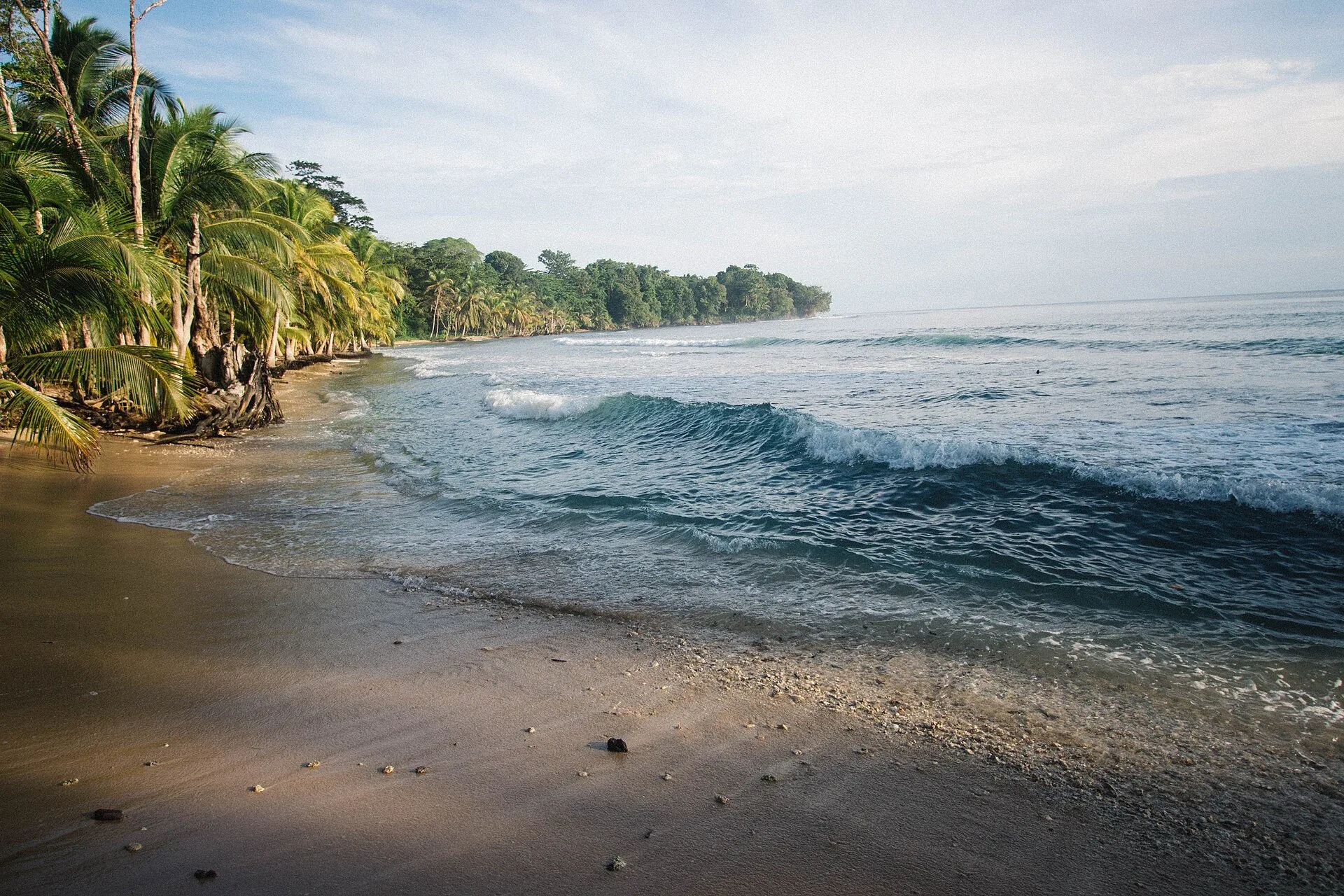
Bocas del Toro sits on the Caribbean side, where rainfall occurs through much of the year. A single countrywide “best month” conceals that difference. If Bocas is the main reason for your trip, compare actual local forecasts near departure and leave room to move outdoor activities. Do not pay a premium for a Pacific dry-season label expecting it to guarantee Caribbean conditions.
| Region | What the evidence supports | How to use it |
|---|---|---|
| Panama City and Pacific | A marked dry period; wetter months broadly May–November | Start with January–March if limiting rain is your priority |
| Caribbean, including Bocas | Rain across the year; a different seasonal pattern | Allow activity swaps rather than a rain-free promise |
| Highlands | Elevation and terrain affect temperature and rainfall | Check the trail or mountain, not only the nearest city |
Mountain plans need their own weather check
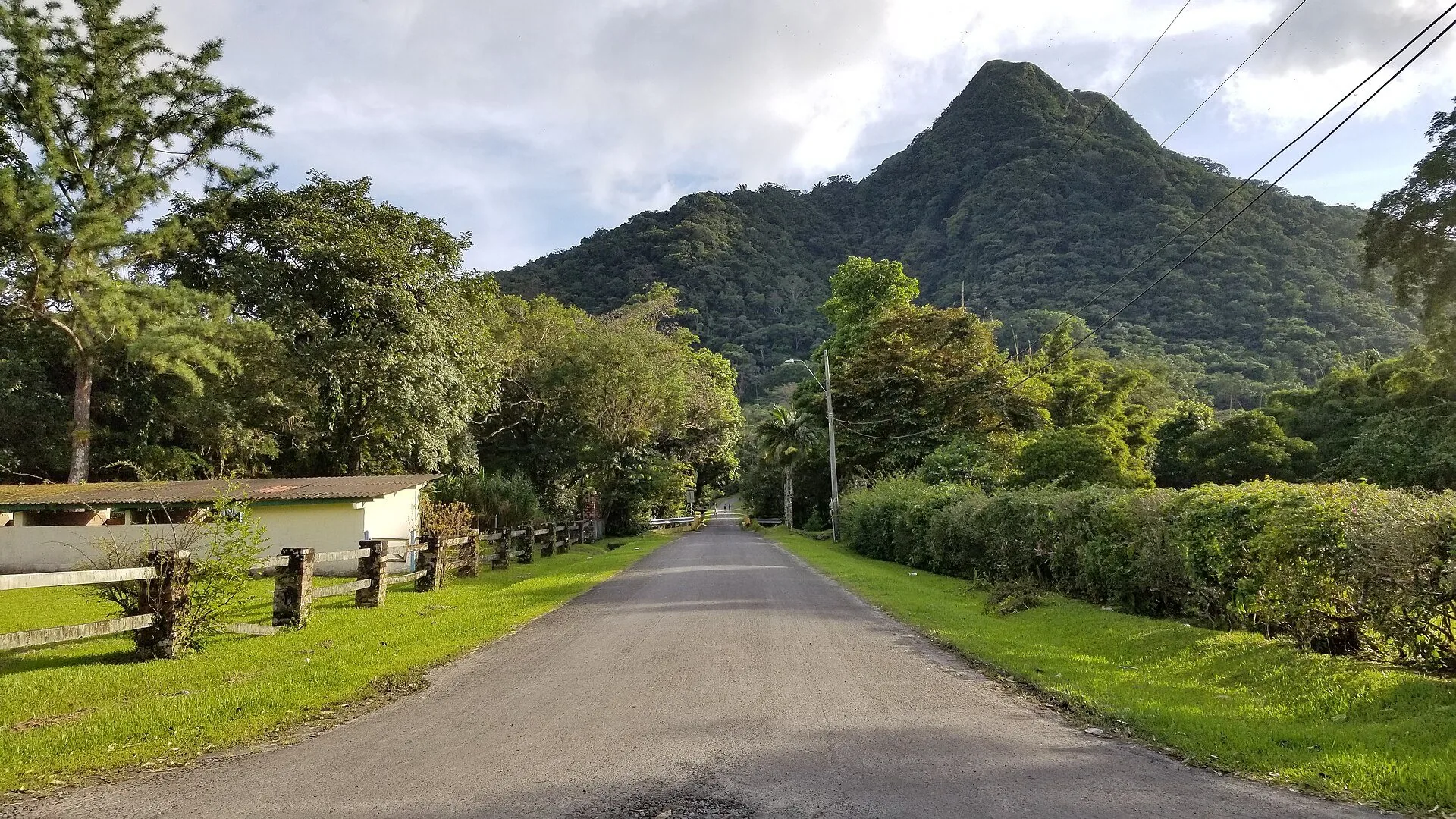
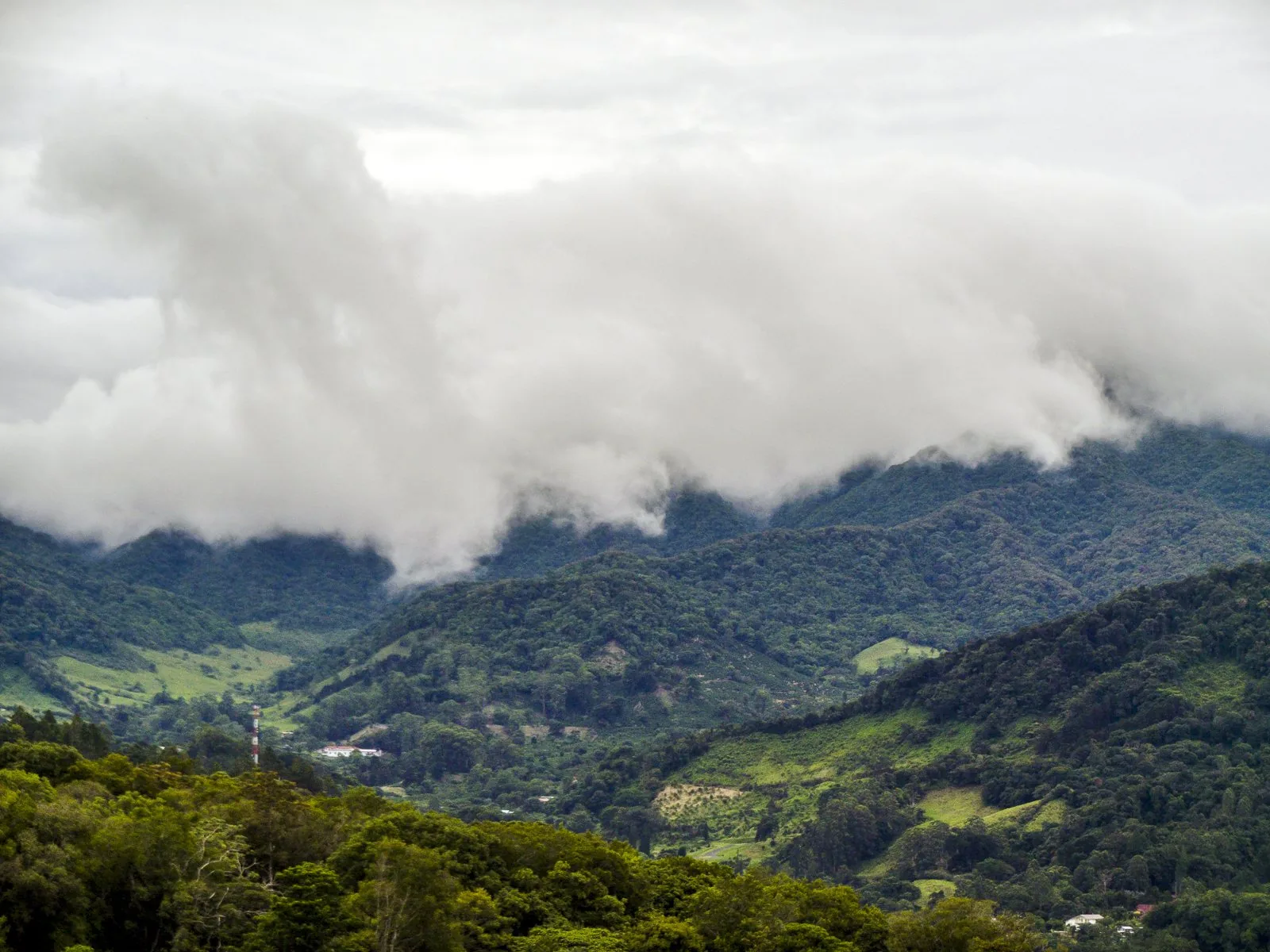
IMHPA explains that elevation changes temperatures and that mountain relief also affects rainfall. For Boquete or El Valle de Antón, use that as a reason to pack for a range of conditions. It is not a reason to assume every highland afternoon is cold or that every trail has the same exposure.
Place the outdoor activity you care about most early in a stay, leaving another possible day. Book a coffee visit, a meal or time in town as an alternative rather than filling every free hour with a second hike. Ask guides about conditions on the specific route, the turnaround decision and what happens if an outing is cancelled. A clear forecast over town does not establish conditions higher up.
Turn a season into a workable itinerary
For a beach-led holiday, choose the coast first, then select accommodation that still works if a boat outing changes. For a walking trip, put flexibility around the longest hike. For a city break, spread exposed walks across more than one day and keep an indoor visit available. These are ways to reduce the consequences of weather, rather than predictions about which hour a shower will arrive.
Check the national events calendar and your hotel’s cancellation terms alongside weather. A busy travel weekend can affect accommodation and transport even if it is an attractive month climatologically. We do not quote a national high-season price premium: fares and room rates need a comparison for your actual dates, room type and cancellation conditions.
Read the right kind of weather information
Climate normals describe a long-term average. The IMHPA report uses the 1991–2020 reference period; it does not forecast your departure week. Seasonal outlooks describe broader tendencies, while short-range forecasts and official alerts help with immediate decisions. Search-volume seasonality is different again: it measures interest in a query, not rain, sea state or trail access.
Before departure, save the current IMHPA bulletin, confirm the weather policy of any boat or mountain excursion, and keep a day without a prepaid activity where possible. Recheck closer to the outing. No month guarantees navigation, visibility, wildlife encounters or safe swimming, and a beautiful beach photograph cannot answer those questions for you.
A guide you can check
Sources & editorial notes
Our practical advice is researched from the sources below. Operator information can change; check the relevant provider for your travel dates.
- IMHPA: rainfall regimes by region Checked 2026-10-19
- IMHPA: general climate of Panama Checked 2026-10-19
- IMHPA: 2023 rainfall report; 1991–2020 climate normals Checked 2026-10-19