- Casco for a history-led visit
- Check the exact address and entrance
- Compare the stay plus transport costs
Four areas worth putting on your shortlist
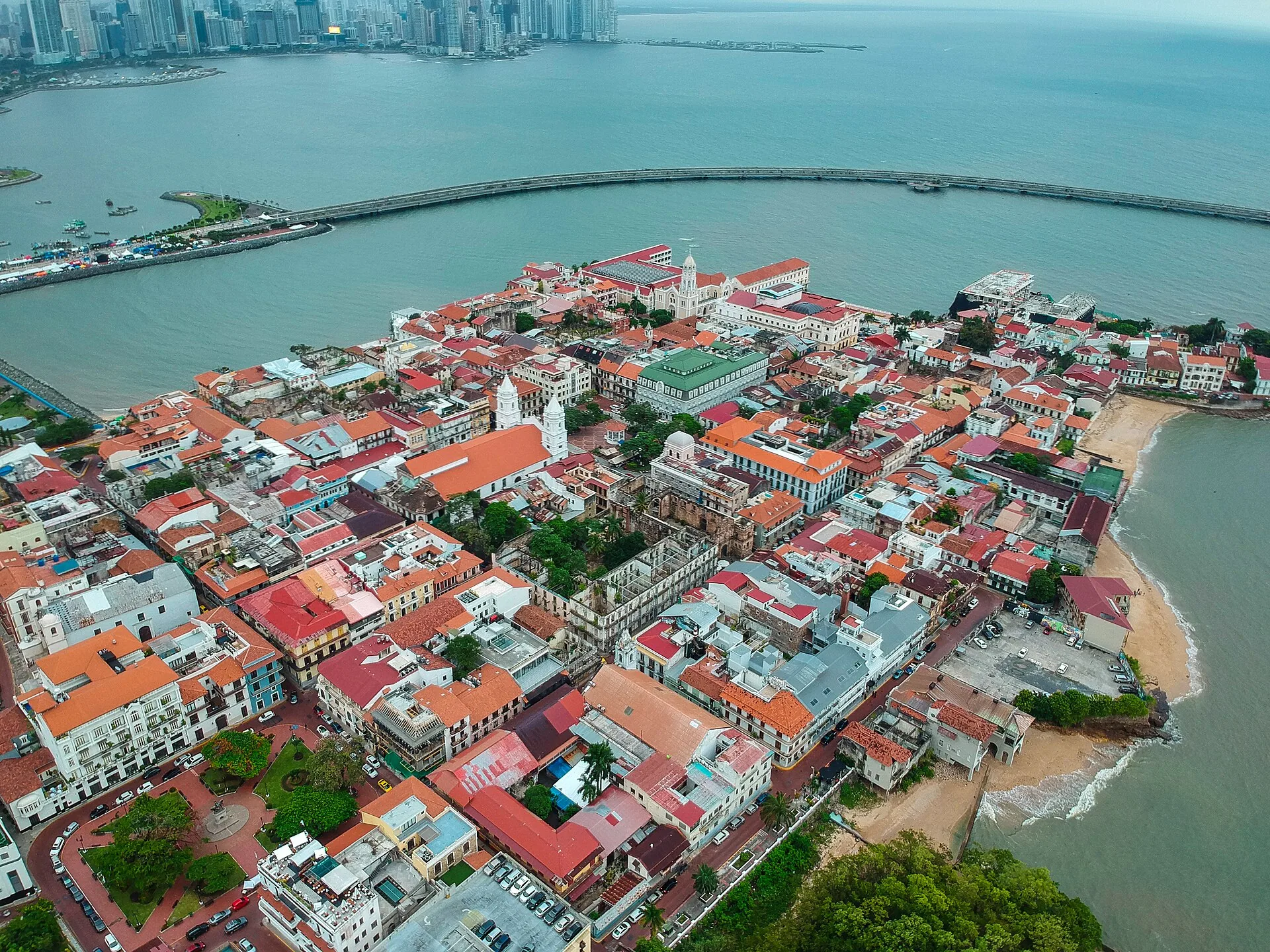
For a first visit focused on historic streets and evenings close to your hotel, start with Casco Antiguo, also called Casco Viejo. For a more everyday central base, compare El Cangrejo. If the bayfront promenade is the attraction, look at Avenida Balboa. For a stay organized around restaurants and the modern city, consider San Francisco. These are trip-matching recommendations, not a ranking of hotel quality or neighborhood safety.
Visit Panamá identifies all four areas as accommodation bases. Use the area as a first filter, then inspect each property’s exact location. A hotel listing that says “Panama City” is too broad to tell you whether your evening meal is nearby or whether every outing begins with a drive. Save the entrance pin rather than relying on the neighborhood label alone.
| Area | Consider it for | Check before paying |
|---|---|---|
| Casco Antiguo | Historic surroundings and a stay centered on the old quarter | Room position, stairs and nearby evening venues |
| El Cangrejo | A central base with everyday services | Actual walk to your chosen Metro station |
| Avenida Balboa | Bayfront walks and a modern hotel or apartment | Road crossings and the building entrance |
| San Francisco | Food-focused days and the modern city | Transport to the attractions on your list |
Measure the walk you intend to make
Check the route from the front door to breakfast, to a transport stop and to the place where you want to spend the evening. Straight-line distance can conceal crossings, stairs or an awkward building entrance. A route that looks short on a map also needs to work with your luggage, mobility and comfort in heat or rain.
For Metro access, use the operator’s network map rather than a booking-site badge. Vía Argentina and Iglesia del Carmen appear on Line 1; whether either is useful depends on the property. Casco Antiguo and a modern business district are different bases, so compare the journeys to your own plans instead of assuming the same transport strategy suits both.
The room matters as much as the area
Ask a historic property whether there is a lift to your room, whether the room faces an entertainment venue, and whether its photographs show your booked room category. At an apartment, confirm reception arrangements, luggage storage and access if your flight arrives late. If you need step-free access, request a description of the entire entrance-to-room route, not just confirmation that the building has a lift.
For families, compare beds, breakfast, shade and a manageable route back for a break. For travelers working during the trip, ask for the internet and workspace details that matter to them. A rooftop view or pool photograph does not establish any of those practical conditions. Request written confirmation of essential features before choosing a restrictive rate.
Compare the total stay, including the first and last day
Add the room total, taxes and fees shown at checkout, breakfast if needed, and the journeys your itinerary requires. A cheaper room can lose its advantage if every meal or outing adds a transfer. Conversely, paying for a central location may add little value if an early flight is the sole reason for an overnight stop.
Check the airport on your next ticket before picking an airport hotel. Tocumen and Marcos A. Gelabert in Albrook are different airports. For a late international arrival followed by a domestic departure, choose accommodation around a realistic connection plan. We have not inspected or ranked individual hotels, and we do not assign blanket safety labels to these areas.
A guide you can check
Sources & editorial notes
Our practical advice is researched from the sources below. Operator information can change; check the relevant provider for your travel dates.
- Visit Panamá: areas to stay in Panama City Checked 2026-10-19
- Visit Panamá: Panama City Checked 2026-10-19
- Metro de Panamá: network map, July 2025 Checked 2026-10-19